


In this article
This article is prepared by WorkTime, a productivity-focused monitoring solution designed to respect privacy.It was just another ordinary workday - until one screen capture destroyed a career. TikTok tells the story of a man fired after his employer’s invasive screenshot recording tool captured a private message. The video went viral, illustrating how screen monitoring misuse can easily become a privacy trap.
One captured message - one lost job: case overview
What happened? One guy sent a message to his girlfriend, expressing frustration with his role and mentioning he might quit. Perhaps he really wanted to leave. Or it was written in the heat of the moment, and he could have made a different decision. But invasive screenshot monitoring didn’t care about his intentions.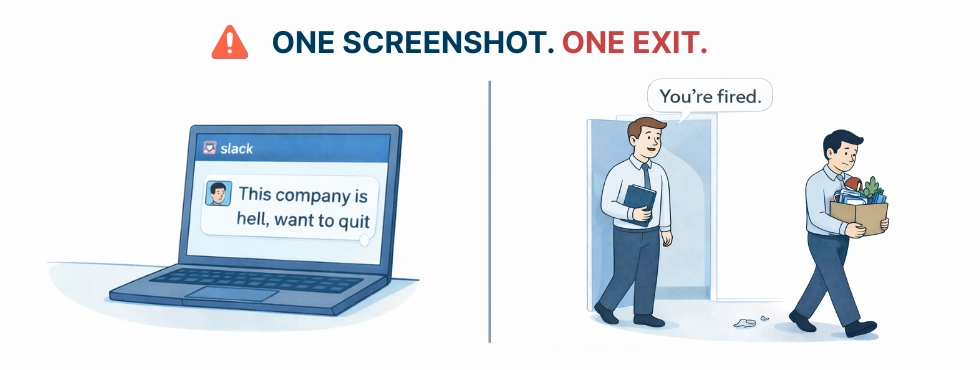
How screenshot monitoring becomes a privacy exposure
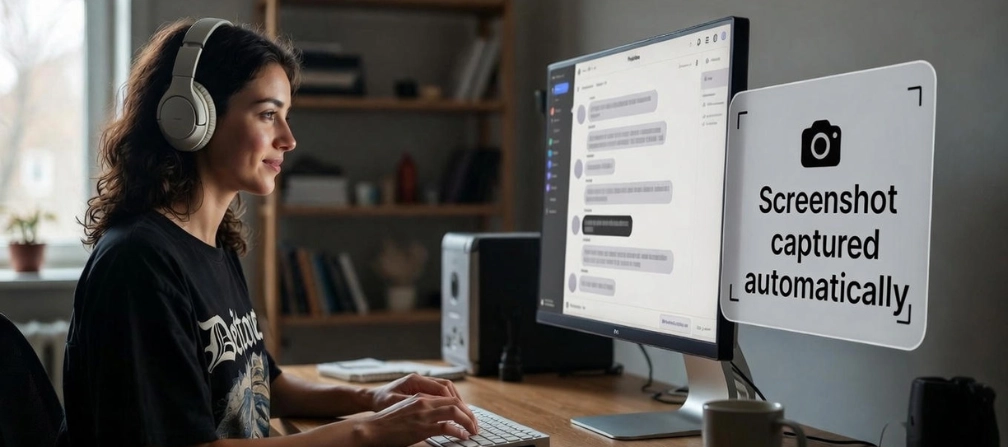
At first, screenshots might look like a simple monitoring tool, a harmless way to check workflow. But in practice, they can be far more intrusive. A single automated capture can record far more than intended, like personal messages, health details, or login credentials.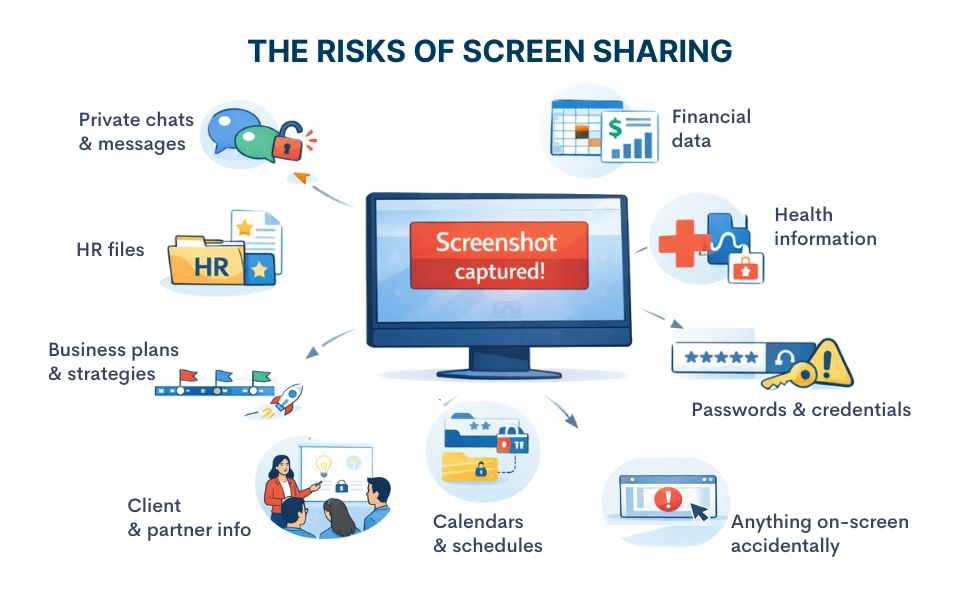
Invasive monitoring puts employers at risk, too
Screenshots don’t simply disappear. They can be stored, archived, or accidentally exposed. In regulated sectors, such privacy exposure risk can lead to HIPAA, GLBA, or other privacy law violations. A single screenshot may trigger fines, lawsuits, and a loss of trust among employees and clients. WorkTime prevents this risk by design. We offer safe screen productivity analysis designed to measure performance without capturing sensitive screen data. No private messages, no health information, and no financial details stored in screenshots.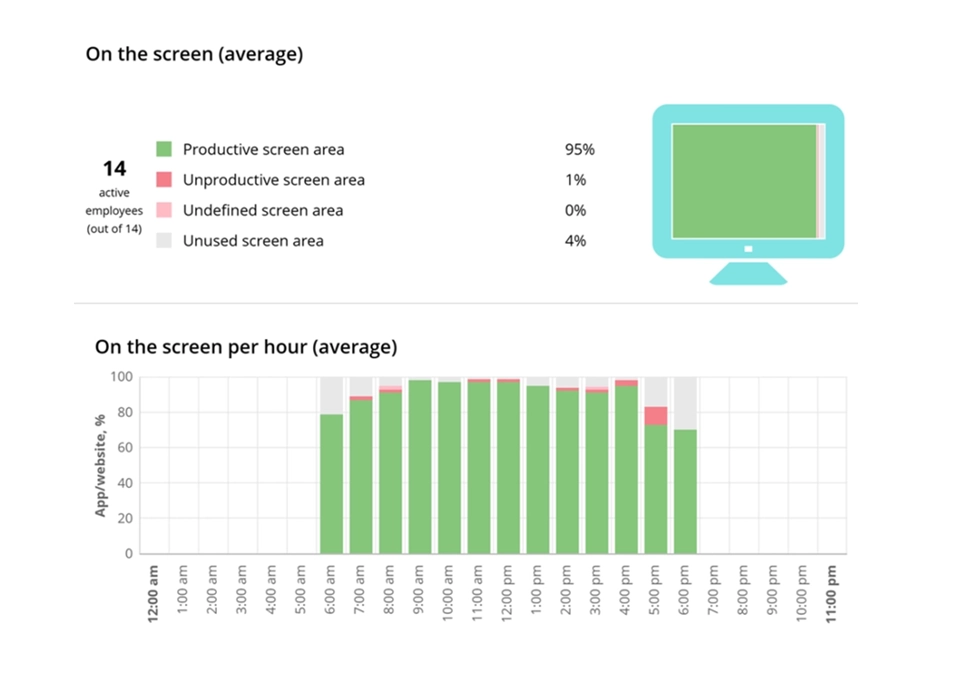
Interesting fact!
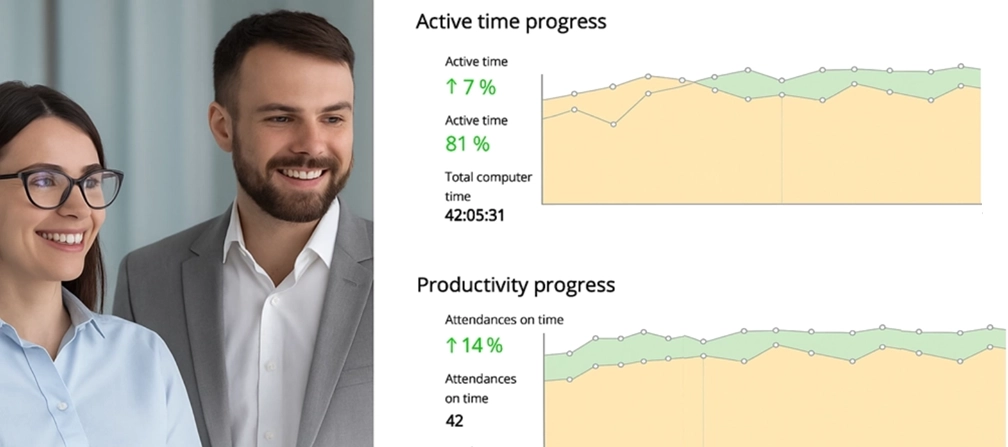
Check this report to get an instant, compliant snapshot of your team’s performance.
Book demo
WorkTime gives you a clear view of employee screen productivity in a GDPR-compliant and non-invasive manner.
Start free trial
From mishap to success - with WorkTime privacy-focused monitoring
What if WorkTime had been in place? If a privacy-first approach had been used, that message would never have been captured. The manager would still have performance signals, including productivity patterns and engagement trends. Reviewing performance reports, the manager noticed signs of burnout and perhaps decided to address the issue to retain a valuable employee.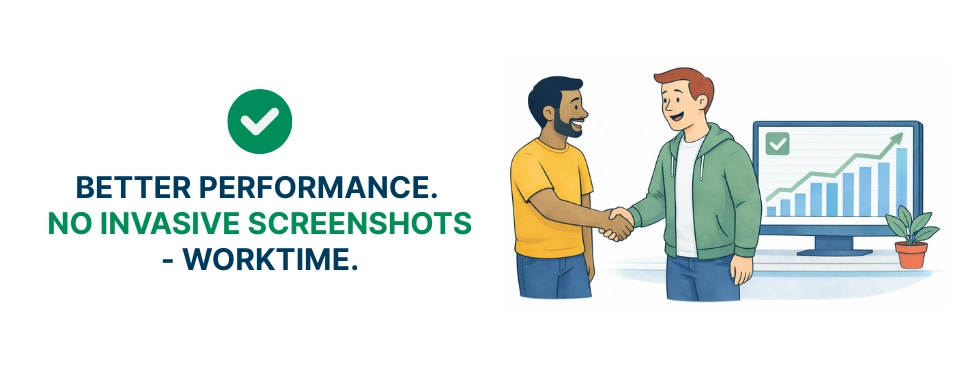
Try WorkTime now!